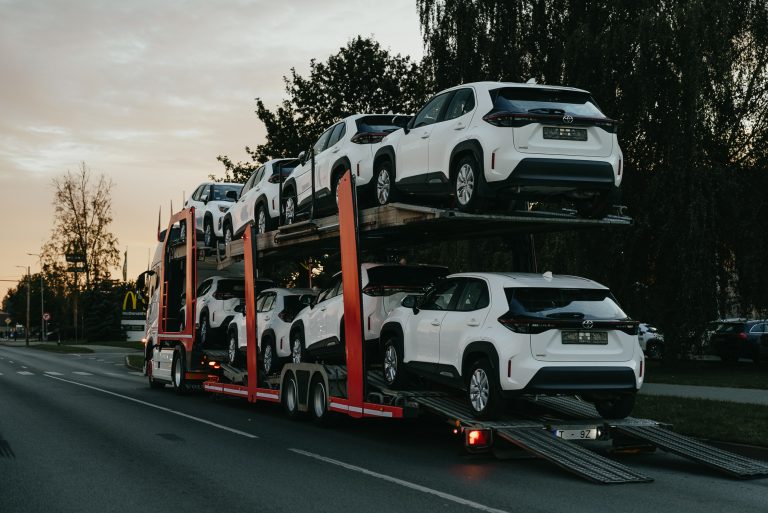
Demand for car transport in Europe keeps growing, and the rules and technology around it are changing. These five developments affect anyone who ships vehicles.
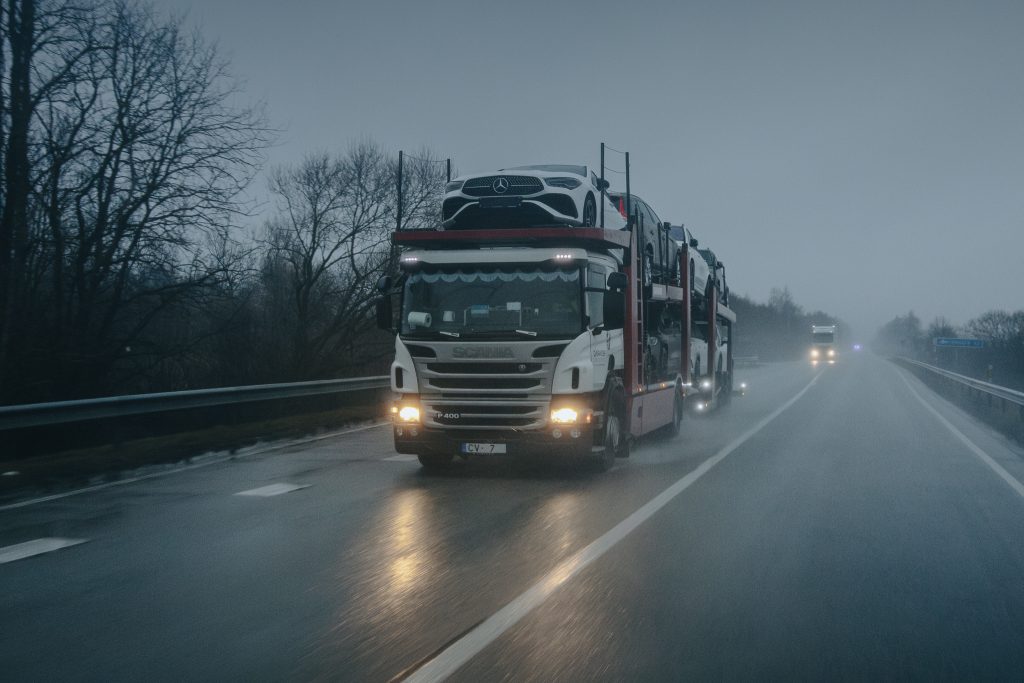
1. Emissions rules
The EU has tightened CO2 targets for heavy trucks, and several countries now charge tolls based on emissions. Road operators are renewing fleets and testing electric and hydrogen tractor units. At sea, RoRo lines such as Höegh Autoliners and Wallenius Wilhelmsen are ordering ships that can run on lower-carbon fuels.
2. More electric vehicles
EVs are heavier because of their batteries, which can reduce how many cars fit on one trailer. Carriers need to record charge levels at handover and follow separate procedures for damaged batteries.
3. Supply chain disruption
Chip shortages slowed vehicle production for two years, and conflicts and route changes have affected shipping schedules. Many logistics firms responded by adding storage space and spreading volume across more partners.
4. Digital tools
Live tracking, digital CMR (e-CMR) and online freight exchanges are now normal. They help fill trucks on the return leg and give customers live status, so fewer trucks run empty.
5. Fleet investment
Larger operators are buying new trailers and tractor units, while smaller ones are replacing older equipment to keep up with emissions rules and customer requirements.
What it means for shippers
Expect prices to reflect tolls, emissions rules and EV weight, and expect better visibility than a few years ago. If you want to know how these changes affect a specific move, send us the route and we will give you a fixed price within one working day.